
Reliable wireless connectivity is now essential for modern business operations. From cloud applications and video calls through to warehouse scanning systems and mobile devices, organisations rely on stable Wi-Fi performance every day.
However, many businesses experience ongoing wireless issues without fully understanding what is causing them.
Common problems include:
- Wi-Fi dead zones
- Unstable roaming
- Dropped connections
- Slow wireless performance
- Poor Teams or VoIP call quality
- Unreliable device connectivity
In many cases, the underlying issue is not the internet connection itself, it is the wireless environment inside the building.
This is where a professional Wi-Fi survey becomes important.
What is a Wi-Fi survey?
A Wi-Fi survey is a detailed assessment of a wireless environment used to evaluate:
- Signal coverage
- Wireless performance
- Interference levels
- Roaming behaviour
- Access point placement
- Network capacity
The purpose of a survey is to understand how the wireless network performs in real-world conditions and identify any problems affecting reliability or coverage.
Wi-Fi surveys are commonly used for:
- New wireless deployments
- Office relocations
- Warehouse environments
- Troubleshooting existing Wi-Fi problems
- High-density wireless environments
- Wireless upgrades and expansions
A properly conducted survey helps businesses design and maintain wireless infrastructure that performs reliably across the entire environment.

Why Wi-Fi surveys are important
Wireless performance is influenced by far more than just internet speed.
Factors such as the below can all affect wireless reliability and coverage:
- Building materials
- Office layouts
- Metal structures
- Neighbouring networks
- User density
- Device types
- Roaming behaviour
Without proper analysis, businesses often deploy wireless infrastructure based on assumptions rather than real RF conditions.
This can lead to:
- Poor coverage
- Unstable roaming
- Wireless congestion
- Interference problems
- Ongoing support issues
A professional Wi-Fi survey helps identify these issues before they become larger operational problems.

What does a Wi-Fi survey measure?
A wireless survey evaluates multiple aspects of wireless performance throughout the environment.
This often includes:
- Signal strength
- Signal quality
- Channel utilisation
- Interference levels
- Roaming performance
- Coverage consistency
- Device density
- Access point overlap
The survey process helps determine whether the wireless environment is capable of supporting operational requirements both now and in the future.
Predictive Wi-Fi surveys
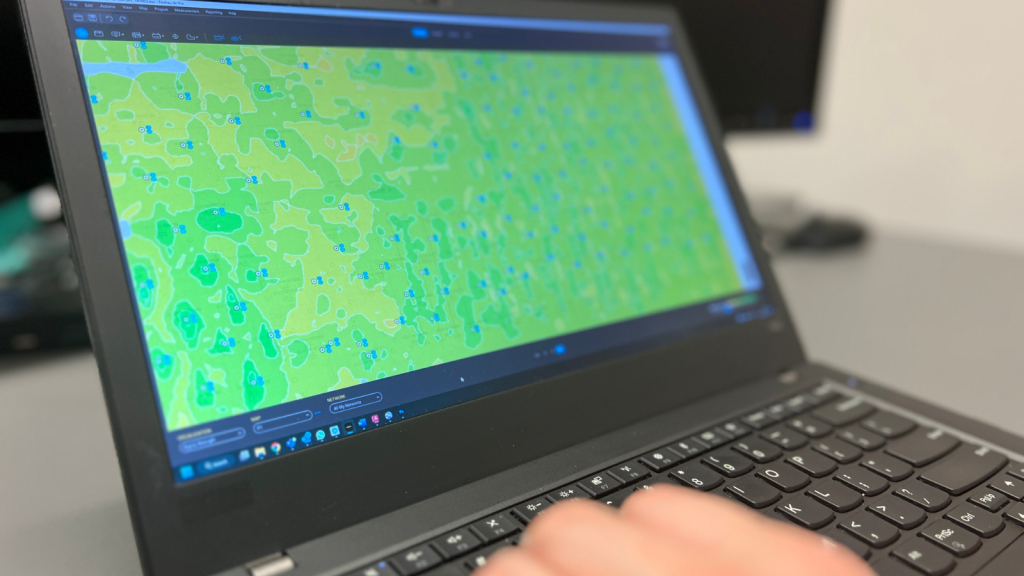
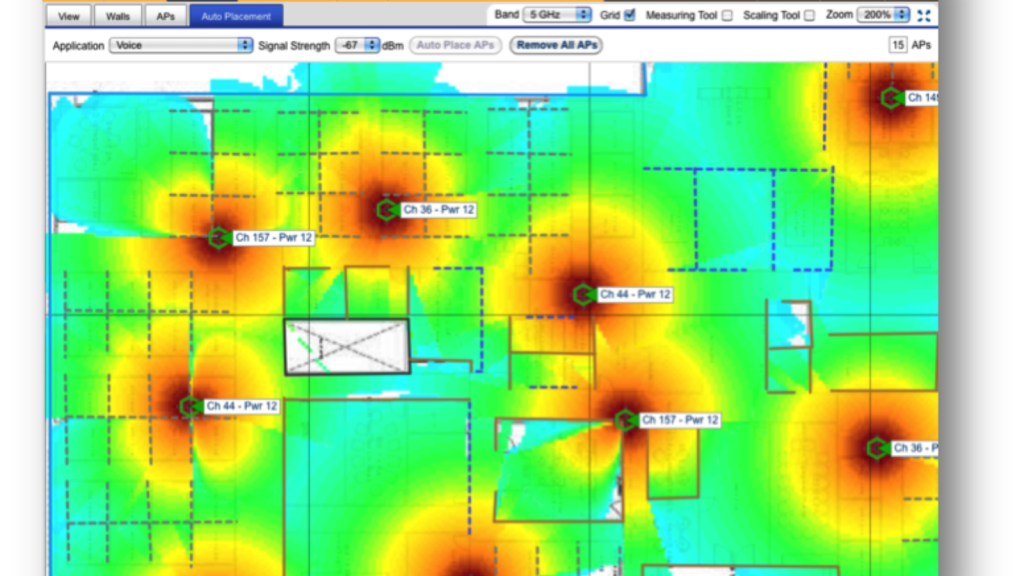
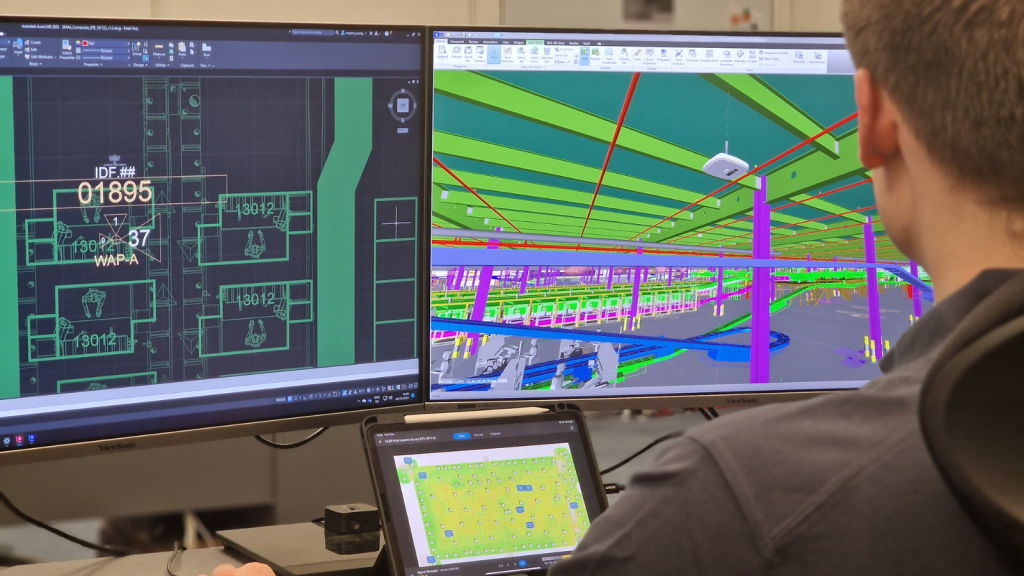
A predictive survey uses digital floor plans and RF modelling software to simulate wireless coverage before deployment.
This approach is commonly used for:
- New office spaces
- Warehouse fit-outs
- Wireless redesign projects
- Large-scale deployments
Predictive surveys help determine:
- Optimal access point placement
- Expected coverage levels
- Roaming behaviour
- Capacity requirements
This allows businesses to plan wireless infrastructure before installation begins.
On-site wireless surveys
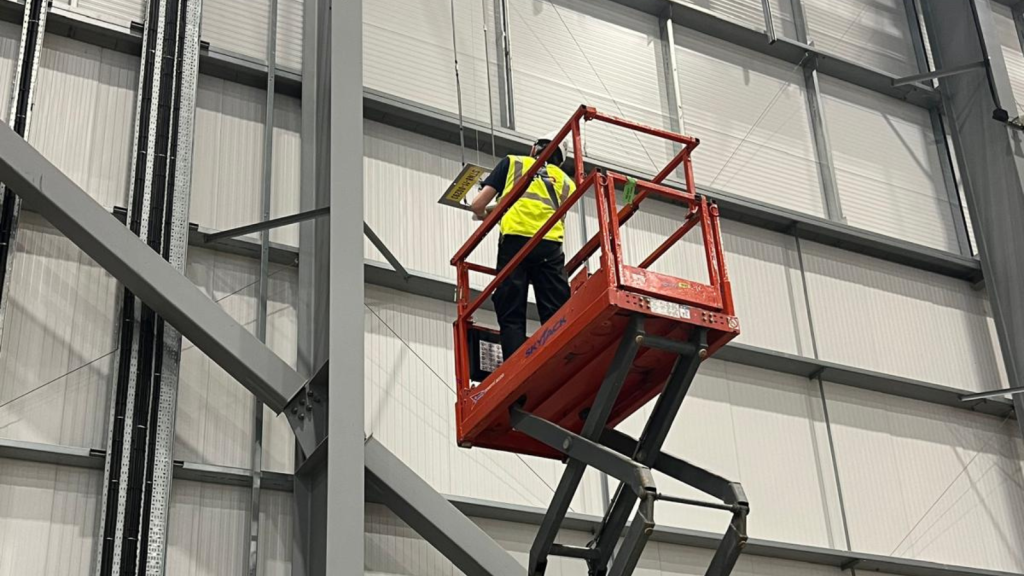
An on-site survey involves physically assessing the wireless environment using specialist RF analysis tools.
Engineers walk through the environment collecting data relating to:
- Signal coverage
- Interference
- Roaming
- Wireless performance
This helps identify real-world wireless problems that may not appear during predictive modelling alone.
On-site surveys are commonly used for:
- Troubleshooting wireless issues
- Validating existing deployments
- Performance optimisation
- Post-installation verification

Wireless heat mapping
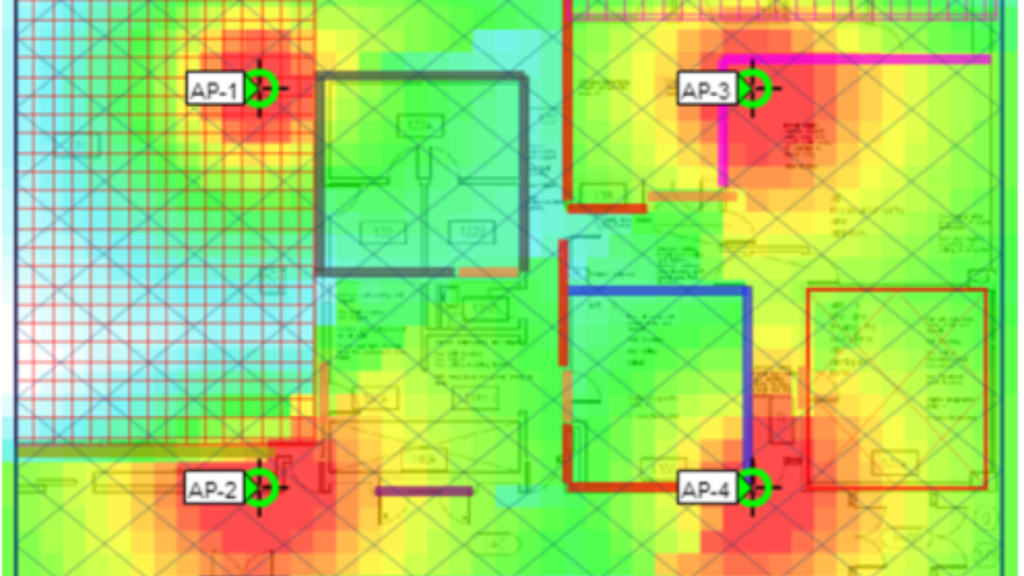
Heat mapping is one of the most valuable outputs from a Wi-Fi survey.
Wireless heat maps visually display:
- Signal strength
- Coverage quality
- Interference zones
- Roaming areas
- Dead zones
This makes it easier to identify areas where wireless performance may be inconsistent or unreliable.
Heat mapping is critical where wireless conditions can vary significantly throughout the building, such as:
- Warehouses
- Multi-floor offices
- Manufacturing facilities
- High-density environments
What problems can a Wi-Fi survey identify?
A professional wireless survey can uncover a wide range of issues affecting wireless performance.
Common problems identified during surveys include:
- Wi-Fi dead zones
- Poor roaming between access points
- Overlapping wireless channels
- RF interference
- Overloaded access points
- Weak signal areas
- Poor AP placement
- Wireless congestion
Many of these issues are difficult to identify without specialist wireless analysis tools and RF expertise.
Which environments benefit from Wi-Fi surveys?
Wi-Fi surveys are valuable across many different environments.
These include:
- Offices & commercial buildings
- Warehouses & logistics facilities
- Manufacturing environments
- Retail environments
- Healthcare facilities
- Educational campuses
- Hospitality environments
Any business relying heavily on wireless connectivity can benefit from understanding how the wireless infrastructure is performing under real operational conditions.

When should a business carry out a Wi-Fi survey?
There are several situations where a wireless survey is particularly important.
Businesses often carry out surveys when:
- Deploying a new wireless network
- Relocating offices
- Expanding operations
- Upgrading wireless infrastructure
- Experiencing connectivity problems
- Introducing warehouse mobility systems
- Deploying Wi-Fi 6 infrastructure
- Increasing device density
Surveys are also useful when businesses experience recurring wireless complaints but cannot identify the root cause of the problem.

How Wi-Fi surveys support better wireless design
A wireless survey provides the information needed to build a more reliable wireless environment.
Survey findings help improve:
- Access point placement
- Roaming performance
- Coverage consistency
- Channel planning
- Wireless capacity
- Interference mitigation
This allows businesses to create wireless environments designed around actual operational requirements rather than assumptions.
A professional Wi-Fi network design uses this survey data to build scalable wireless infrastructure capable of supporting long-term operational demands.
Improve wireless performance with DTE
DTE delivers professional Wi-Fi survey services designed to improve wireless reliability, coverage and operational performance.
From predictive RF modelling and heat mapping through to troubleshooting and wireless optimisation, we help businesses better understand how their wireless environments perform in real-world conditions.
If your organisation is experiencing unreliable Wi-Fi performance, dead zones or ongoing connectivity issues, our team can help assess and optimise the wireless infrastructure.

Speak to a Specialist
Please get in touch to discuss your needs.