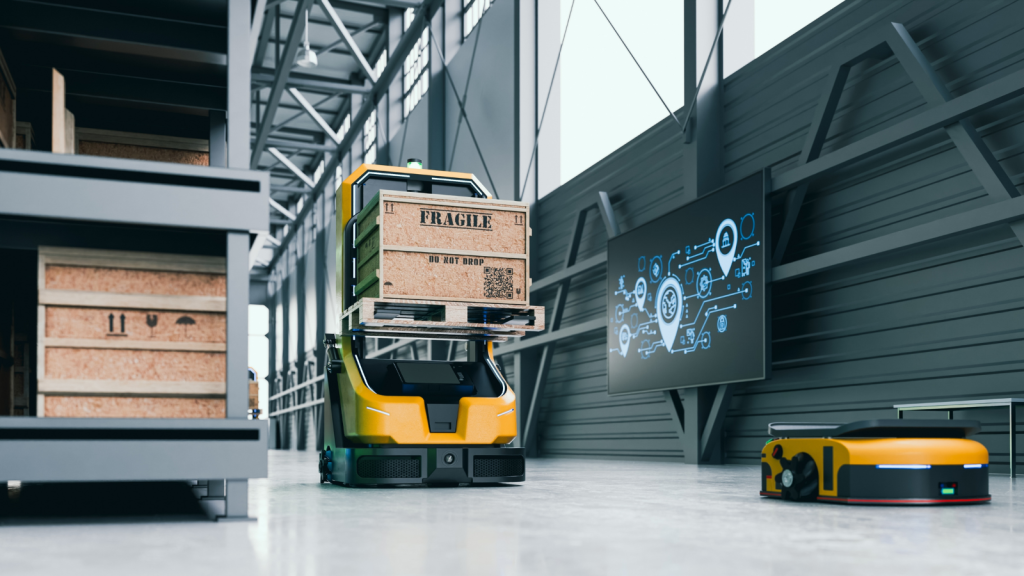
Deploying Autonomous Mobile Robots (AMRs) can transform the way warehouses, manufacturing facilities and logistics operations move materials, manage repetitive tasks and increase productivity.
However, a successful AMR deployment involves far more than selecting the right robots.
AMRs need to integrate with existing processes, people, systems and infrastructure. This means bringing the right stakeholders into the project from the beginning.
From operations and IT teams to health and safety, facilities and the AMR provider, each stakeholder has an important role to play. Missing one of these groups during the planning stage can create challenges later in the deployment.
So, who should be involved when deploying AMRs and why?
1. Operations & warehouse management
Operations teams should be involved from the earliest stages because they understand how the facility actually works on a day-to-day basis.
They can help identify:
🔹 Which processes are suitable for automation
🔹 Where materials need to move
🔹 Existing operational bottlenecks
🔹 Peak periods and changing workloads
🔹 How AMRs will interact with employees and equipment
🔹 Where the greatest productivity gains could be achieved
AMRs need to complement existing workflows rather than simply being introduced into them.
Understanding material flows, pick-up and drop-off locations, traffic patterns and operational priorities helps ensure the AMR deployment solves genuine business challenges.
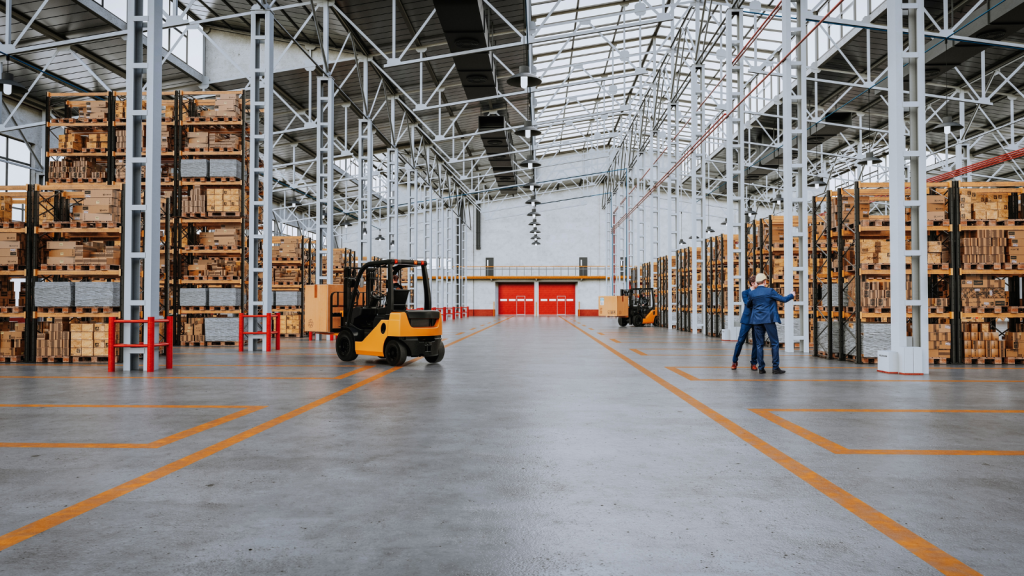
2. IT & network teams
AMRs may move autonomously, but they still rely heavily on the digital infrastructure around them.
That makes IT and network teams a critical stakeholder.
Depending on the solution, AMRs may need to communicate with fleet management platforms, warehouse systems and other infrastructure as they move throughout the facility.
For many deployments, reliable wireless connectivity is therefore a fundamental requirement.
Network teams should understand:
🔹 Existing Wi-Fi coverage
🔹 Signal strength throughout AMR routes
🔹 Wireless capacity
🔹 Roaming performance
🔹 Network security requirements
🔹 VLAN and network configuration
🔹 Areas of interference or poor connectivity
A wireless network originally designed for laptops, handheld scanners or office users may not necessarily provide the performance required by a fleet of constantly moving robots.
This is why wireless infrastructure should be assessed before AMRs are deployed, rather than connectivity problems being discovered after the robots arrive.
3. Health & safety teams
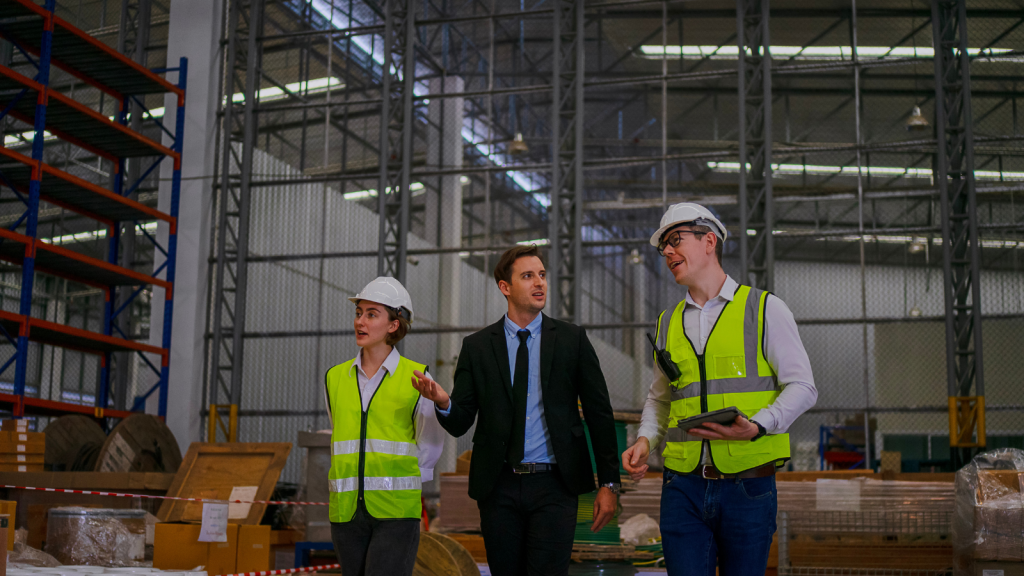
AMRs frequently operate alongside people, forklifts, pallet trucks and other machinery, making health and safety teams another essential stakeholder.
Every facility presents different risks.
The layout, application, payload, traffic levels and interaction between robots and employees all need to be considered as part of the deployment.
Health and safety teams may need to assess:
🔹 AMR routes and pedestrian crossings
🔹 Interaction with forklifts and other vehicles
🔹 Blind corners and restricted areas
🔹 Emergency procedures
🔹 Safe operating speeds
🔹 Loading and unloading areas
🔹 Employee training
OMRON highlights the importance of conducting facility-specific risk assessments and considering how AMRs will interact with both personnel and existing equipment.
The objective should be to create an environment where automation and employees can operate safely alongside each other.

4. Facilities & infrastructure teams
The physical environment can have a major impact on how effectively AMRs operate.
Facilities teams understand the building and can identify potential issues that may affect navigation, charging or AMR routes.
Considerations can include:
🔹 Floor conditions
🔹 Racking layouts
🔹 Doorways and corridors
🔹 Ramps and gradients
🔹 Charging locations
🔹 Power availability
🔹 Physical obstructions
🔹 Future layout changes
Warehouse and manufacturing environments rarely remain static.
New racking, machinery, production lines or storage areas may be introduced over time, so infrastructure planning should consider both the immediate deployment and how the AMR fleet could scale in the future.
5. Automation & engineering teams
Engineering and automation teams help connect the AMR deployment with the wider operational environment.
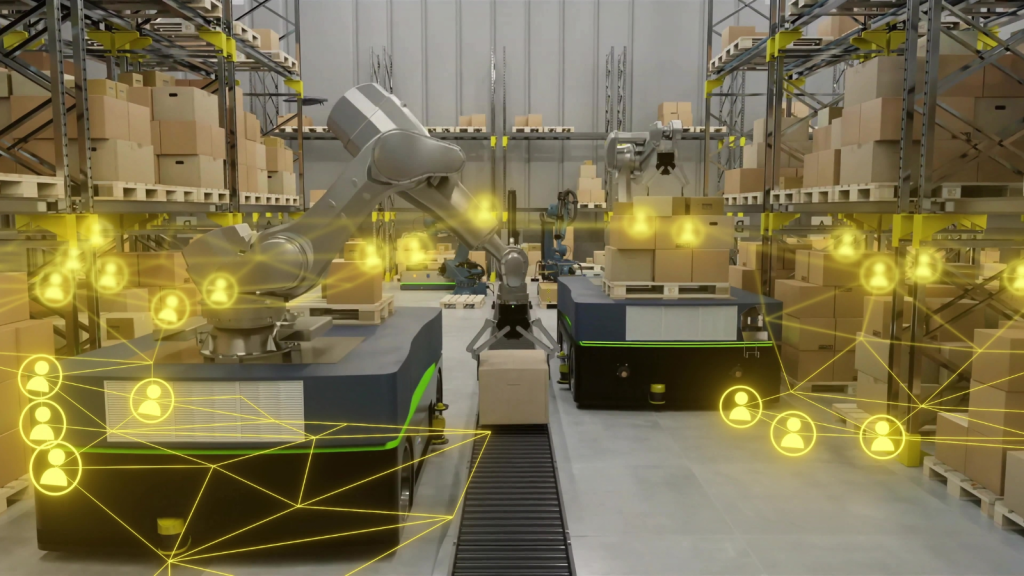
AMRs rarely operate completely independently of other technology. They may need to interact with conveyors, production machinery, automated doors, lifts or other material handling systems.
Engineering teams can therefore help determine how AMRs will integrate with existing automation and identify where modifications may be required.
This becomes particularly important in complex manufacturing and warehouse environments where multiple automated systems need to work together.
6. Software, WMS & systems teams
The physical robot is only one component of an AMR solution.
Depending on the deployment, AMRs may also need to integrate with systems such as:
- Warehouse Management Systems (WMS)
- Warehouse Control Systems (WCS)
- Manufacturing Execution Systems (MES)
- Enterprise Resource Planning (ERP) platforms
- Fleet management software
These integrations allow jobs to be assigned, workflows coordinated and AMR activity incorporated into wider warehouse or manufacturing processes.
Software and systems stakeholders should therefore be involved early enough to establish integration requirements before deployment begins.

7. Employees & AMR operators
The people who will work alongside the AMRs every day are among the most important stakeholders.
Introducing automation can change established processes and responsibilities. Employees need to understand what the technology does, how they should interact with it and what to do if something goes wrong.
Training should cover areas such as:
🔹 Working safely around AMRs
🔹 Understanding AMR behaviour
🔹 Responding to alerts or exceptions
🔹 Basic troubleshooting
🔹 Emergency procedures
OMRON identifies inadequate staff training as one of the common mistakes organisations can make when implementing AMRs.
Involving employees early can also help organisations identify practical issues that might otherwise be overlooked during the design process.

8. Senior management & project sponsors
An AMR deployment ultimately needs to deliver a measurable business benefit.
Senior management and project sponsors should therefore establish what the organisation wants the project to achieve.
That could include:
🔹 Increasing warehouse throughput
🔹 Reducing repetitive manual tasks
🔹 Improving operational efficiency
🔹 Addressing labour availability
🔹 Improving workplace safety
🔹 Increasing scalability
🔹 Reducing operating costs
Establishing clear objectives and KPIs allows the organisation to measure whether the AMR deployment is delivering the expected return on investment.
It also ensures that operational, technical and financial stakeholders are working towards the same outcome.

9. The AMR manufacturer or integration partner
Finally, the AMR manufacturer or integration partner brings specialist knowledge of the robots themselves.
They can help determine the appropriate AMR technology, payload requirements, fleet size, navigation strategy, safety considerations and integration requirements for the application.
Working closely with the AMR provider during the planning stage can help organisations understand exactly what the robots require from the surrounding environment.
That includes something organisations can easily overlook: the wireless network.
Don't forget the WiFi when planning an AMR deployment
When organisations begin planning an AMR project, discussions naturally focus on the robots.
🔹 How many are required?
🔹 What payload can they carry?
🔹 Which processes can they automate?
🔹 How will they navigate the warehouse?
But the infrastructure supporting those robots needs equal consideration.
Wireless connectivity problems can result in communication issues, unreliable roaming and poor AMR performance. Research into networked mobile robot fleets also demonstrates the role wireless communication plays between robots and wider fleet-management infrastructure.
For this reason, DTE recommends assessing the wireless environment during the planning stages of an AMR project.
A professional WiFi survey can identify coverage gaps, interference, roaming issues and other potential problems before they affect the deployment.
DTE has extensive experience designing and optimising enterprise wireless networks for demanding warehouse, logistics and manufacturing environments, helping organisations build the connectivity foundation required for business-critical automation.
Successful AMR deployment requires collaboration
There isn’t one department responsible for a successful AMR deployment.
🔹 Operations understand the workflow
🔹 IT understands the network
🔹 Health and safety understands the risks
🔹 Facilities understands the environment
🔹 Employees understand the reality of day-to-day operations.
🔹 AMR specialists understand the robots
Bringing these stakeholders together from the beginning helps organisations identify potential problems before deployment and build an environment where AMRs can operate safely, reliably and efficiently.
And while the robots may receive most of the attention, the infrastructure behind them shouldn’t be an afterthought.
Before AMRs can move efficiently, the network supporting them needs to be ready.
Speak to a Specialist
Provide your details below, email [email protected] or call +44 (0) 845 658 8810.