




Warehouse WiFi Solutions

Warehouse WiFi dead zones, barcode scanner disconnections and poor roaming can disrupt operations and reduce productivity.

DTE provides specialist warehouse WiFi solutions to improve connectivity and performance, including:

🔹 Warehouse WiFi surveys and heatmaps
🔹 Wireless network design and optimisation
🔹 Wi-Fi access point installation
🔹 Barcode scanner connectivity and roaming
🔹 Wireless troubleshooting and interference analysis
🔹 Managed WiFi services and ongoing support

Reliable warehouse Wi-Fi keeps logistics operations moving. DTE delivers specialist warehouse Wi-Fi solutions that eliminate coverage gaps, reduce downtime and support scanning, inventory management and automation.
Clare Bottle
Clare Bottle
Chief Executive at UK Warehousing Association
UKWA member

Surveys for superior performance

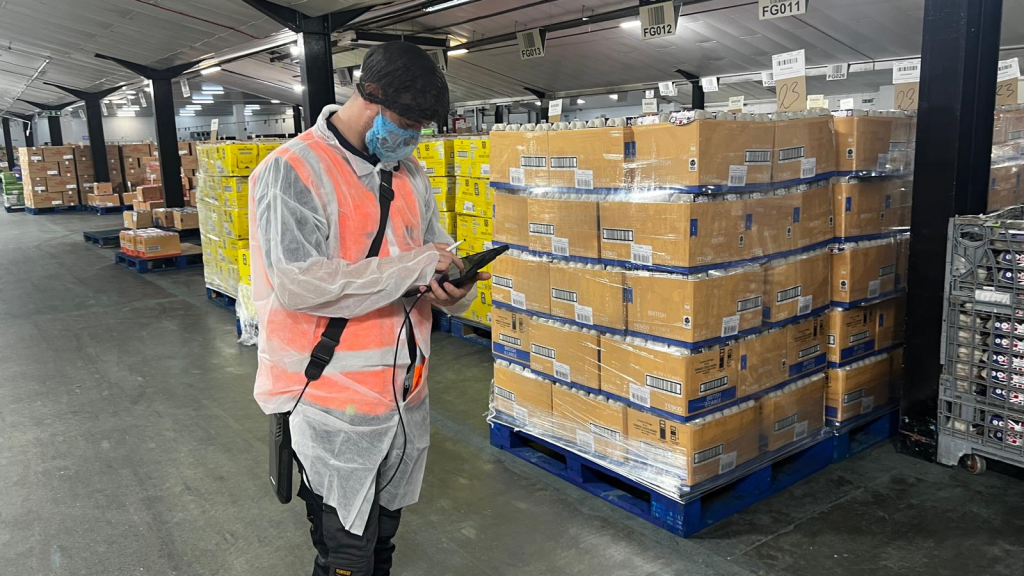
Warehouse WiFi performance can change as stock levels, racking layouts and connected devices evolve. Metal structures, moving stock and interference can disrupt coverage, scanning and roaming.

DTE uses professional WiFi surveys to assess:

🔹 High racking coverage – Identify signal loss and dead zones
🔹 Barcode scanner connectivity – Investigate disconnections
🔹 Access point placement – Assess positioning and coverage
🔹 Interference – Detect RF interference and congestion
🔹 Network capacity –  Check support for devices
🔹 Warehouse roaming –  Assess connectivity between APs

WiFi survey

Our wireless accreditations

CWNA logo
CWNE logo
CWAP logo
CWSP logo
CWDP logo

Smarter design. Stronger connectivity.

A well-designed warehouse WiFi network supports reliable connectivity across busy operational environments. DTE designs wireless networks around your warehouse layout, equipment and device requirements to minimise disruption and improve performance.

Our warehouse WiFi design services include:

🔹 Network planning – Designed around your environment
🔹 Hardware selection – Recommend APs and antennas
🔹 Coverage optimisation – Deliver consistent signals across operational areas
🔹 Device requirements – Scanners, forklifts and automation
🔹 Future scalability – Plan for expansion and additional devices
🔹 Network configuration – Optimise wireless performance

Network Design
Paragon
Firstly, just want to say what a positive experience we had with your field engineer last week. He was professional and very accommodating.

Kirsty Saven
Kirsty Saven
Site Director - Paragon

Access point positioning for peak performance

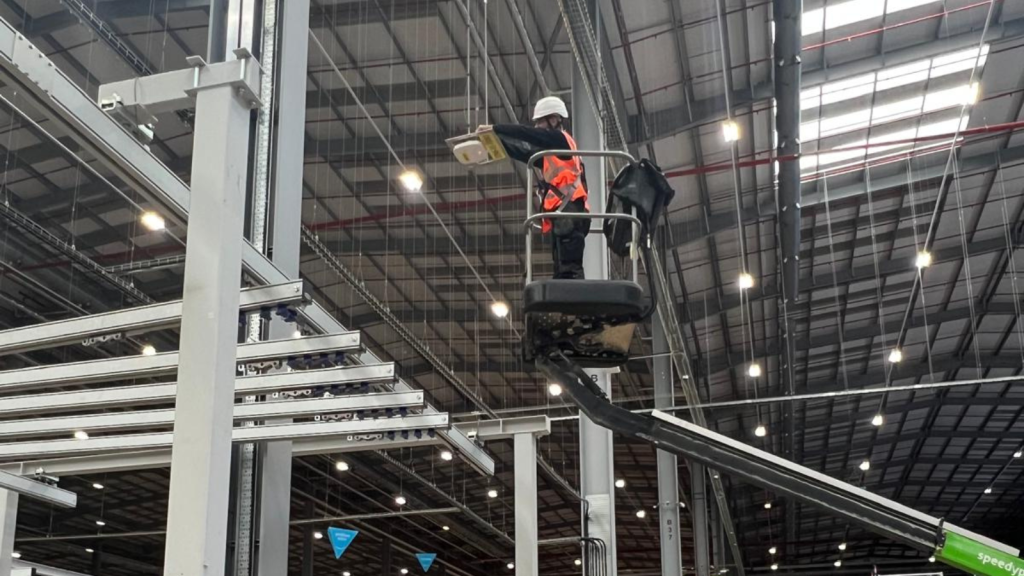
The right wireless access points, antennas and positioning are essential for reliable warehouse WiFi. Poor placement can create dead zones, interference and connectivity problems, particularly around high racking, machinery and storage areas.

DTE designs and installs warehouse WiFi access points based on your environment and operational requirements, considering:

🔹 AP positioning – Optimise placement for consistent coverage
🔹 Antenna selection – Suitable optimal omnidirectional antennas
🔹 High racking – Maintain connectivity between aisles
🔹 Environmental conditions – Hardware for cold, dusty environments
🔹 Signal interference – Reduce overlapping coverage and channel congestion

Wireless access point image

Here to solve your frustrations

Coverage gaps between aisles and racking

Scanner and handheld device disconnections

Slow inventory updates

Roaming issues for mobile workers

Wireless interference from machinery

Connectivity issues in loading bays

Network congestion during busy periods

Inconsistent coverage across large facilities

Warehouse WiFi success stories

How we work

01

Discovery

We assess your warehouse layout, workflows and operational requirements.

02

Survey

We conduct predictive and on-site wireless analysis to identity optimal access point placement.

03

Design

Warehouse-specific wireless architecture designed for performance and scalability.

04

Install

Professional deployment, testing and wireless optimisation.

Expert wireless insight

Discover how warehouse layouts, stock and devices affect access point requirements, and why a WiFi survey is essential.

Spot early warehouse WiFi issues, from scanner disconnections and dead zones to poor roaming, before they disrupt operations.

Unlike office WiFi, warehouse WiFi must overcome high racking, metal structures and moving stock to maintain reliable coverage and seamless roaming.

High racking, changing stock levels and moving equipment can disrupt warehouse WiFi signals, creating coverage gaps, poor roaming and barcode scanner disconnections.

Warehouses we support

We provide Wi-Fi solutions for:

🔹 Distribution centres
🔹 Logistics facilities
🔹 Manufacturing warehouses
🔹 Third-party logistics (3PL) providers
🔹 E-commerce fulfilment centres
🔹 Cold storage facilities
🔹 Wholesale distribution centres
🔹 Retail warehouses
🔹 Production and storage facilities
🔹 Multi-site warehouse operations

On-site wireless survey image

Our wireless partners

Why choose DTE?

Certifed Specialists

Our certified wireless engineers combine specialist expertise with industry-leading tools to design, survey and optimise enterprise WiFi networks.

Vendor Neutral

As a vendor-neutral wireless specialist, we recommend the right WiFi solution for your environment rather than being tied to a specific manufacturer.

25+ Years Experience

DTE has an established wireless presence, with over 25 years of expertise designing, surveying and delivering reliable enterprise WiFi networks.

FAQ

The number of wireless access points a warehouse needs depends on its size, racking height, layout, building materials and connected devices. Large warehouses with high-density storage often require carefully positioned access points to maintain reliable coverage and roaming. Installing more access points doesn't necessarily improve performance and can introduce interference. DTE uses professional warehouse WiFi surveys to determine the optimal number, placement and configuration of access points for your environment.

Barcode scanners can disconnect from warehouse WiFi due to weak signal coverage, poor roaming between access points, interference or incorrect network configurations. High racking, moving stock and warehouse machinery can also disrupt wireless connectivity. These issues often become more noticeable during busy operational periods. DTE investigates scanner disconnections through onsite WiFi surveys, identifying coverage gaps, roaming problems and other factors affecting device connectivity.

High warehouse racking, particularly metal shelving, can block, reflect and weaken WiFi signals, creating coverage gaps and unreliable connectivity. Changing stock levels and pallet locations can further affect wireless performance throughout the warehouse. Access point positioning, antenna selection and network design are essential for maintaining reliable coverage between aisles and across operational areas. DTE designs warehouse WiFi networks around racking layouts, storage heights and device requirements to minimise connectivity problems.

Yes. Most warehouse WiFi surveys can be completed while normal operations continue, with minimal disruption to staff, equipment and workflows. DTE's certified engineers use Ekahau survey technology to assess wireless coverage, interference, roaming and network performance across operational areas. Surveys can be planned around shift patterns, busy periods and site access requirements. This allows businesses to identify WiFi problems without unnecessary downtime, although certain testing activities may require coordination with onsite teams.

Warehouses can prepare for peak-season demand by assessing wireless coverage, network capacity and connectivity across critical operational areas. Additional staff, barcode scanners, handheld devices and increased stock levels can place greater pressure on existing WiFi infrastructure. A specialist warehouse WiFi survey helps identify dead zones, interference, roaming problems and potential capacity limitations before they disrupt operations. DTE provides recommendations to improve network performance and support reliable connectivity during Black Friday, Christmas and other busy trading periods.

A predictive WiFi survey uses specialist software to model wireless coverage based on warehouse dimensions, racking layouts, building materials and proposed access point locations. It is particularly useful when designing new warehouse networks or planning installations. An onsite WiFi survey measures actual wireless conditions within an operational warehouse, identifying coverage gaps, interference and performance issues. DTE provides both predictive and onsite warehouse WiFi surveys, helping businesses design new networks or optimise existing infrastructure using evidence-based recommendations.

Yes. Many warehouse WiFi problems can be resolved without replacing the entire wireless network. Poor performance may result from incorrect access point placement, unsuitable antenna selection, configuration issues, interference or inadequate roaming settings. DTE assesses existing warehouse WiFi infrastructure to identify the underlying causes of connectivity problems. Depending on the findings, improvements may involve repositioning access points, adjusting configurations, optimising coverage or selectively upgrading equipment rather than undertaking a complete network replacement.

Speak to a Specialist

Provide your details below, email info@dteuro.com or call +44 (0) 845 658 8810.