The cost of a warehouse electrical installation varies considerably depending on the size of the facility, existing infrastructure and what needs to be installed.
A simple power or lighting upgrade will cost significantly less than a complete warehouse electrical fit-out involving three-phase power, machinery, automation, charging infrastructure and data cabling.
Understanding the main cost factors can help you budget more accurately and avoid unexpected costs later in the project.
What affects warehouse electrical installation costs?
There isn’t a standard cost because every warehouse has different requirements.
The biggest factors include:
🔹 Warehouse size and layout
🔹 Existing electrical infrastructure
🔹 Power and three-phase requirements
🔹 Distribution boards and circuits
🔹 Warehouse lighting
🔹 Machinery and automation
🔹 Forklift and EV charging
🔹 Data and fibre cabling
🔹 Working heights and access
🔹 Whether the warehouse remains operational during installation
An assessment of the building and its requirements is normally needed before an accurate quotation can be provided.
1. Warehouse size & layout
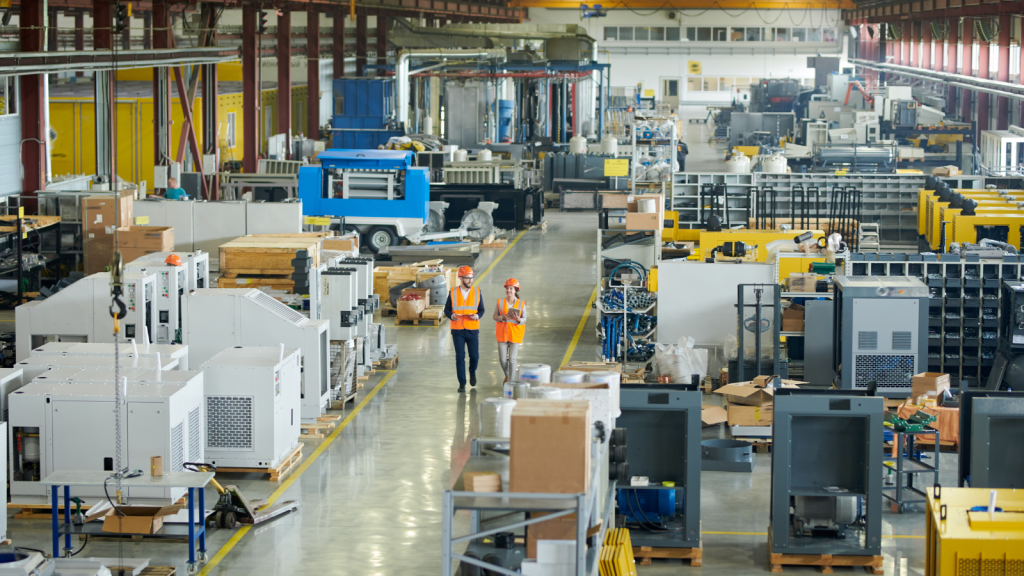
Larger warehouses typically require more cabling, lighting, power outlets, containment, distribution infrastructure and labour.
However, size isn’t everything.
A large open warehouse may be relatively straightforward, while a smaller facility containing high-level racking, conveyors, machinery and automation could require a much more complex installation.
The layout and use of the warehouse are therefore just as important as its floor area.

2. New fit-out or existing warehouse?
A new warehouse fit-out may require electrical infrastructure throughout the building, including:
🔹 Distribution boards
🔹 General and three-phase power
🔹 LED and emergency lighting
🔹 Machinery supplies
🔹 Loading bay power
🔹 Charging infrastructure
🔹 Data cabling
Existing warehouses may already have much of this infrastructure, but it needs to be assessed to determine whether there is sufficient capacity for new equipment.
Older infrastructure may also need upgrading before additional machinery, automation or charging systems can be introduced.
3. Three-phase power & machinery
Warehouses often have higher power requirements than conventional commercial environments.
Three-phase supplies may be required for:
🔹 Conveyors
🔹 Packing machinery
🔹 Compressors
🔹 Production equipment
🔹 Loading bay equipment
🔹 Charging stations
🔹 Automated warehouse systems
The amount and location of equipment will influence both the electrical design and installation cost.
Future requirements should also be considered. Providing additional capacity during the initial installation can be more cost-effective than making substantial changes later.

4. Warehouse lighting
Lighting costs depend on the size and layout of the warehouse, ceiling height, racking configuration and number of fittings required.
Installations can include:
🔹 High-bay LED lighting
🔹 Aisle lighting
🔹 Emergency lighting
🔹 Loading bay and external lighting
🔹 Lighting controls and sensors
High-level installations may also require specialist access equipment.
While upgrading to LED lighting requires an initial investment, lower energy consumption and maintenance requirements can provide longer-term savings.

5. Warehouse automation
Automation can significantly change the electrical requirements of a warehouse.
Conveyors, sorting equipment, robotics, Autonomous Mobile Robots (AMRs) and Automated Guided Vehicles (AGVs) may require:
🔹 Dedicated electrical supplies
🔹 Additional circuits
🔹 Charging infrastructure
🔹 Data cabling
🔹 Network equipment
🔹 Wireless access points
Planning these requirements before automation equipment arrives can help prevent expensive infrastructure changes later.
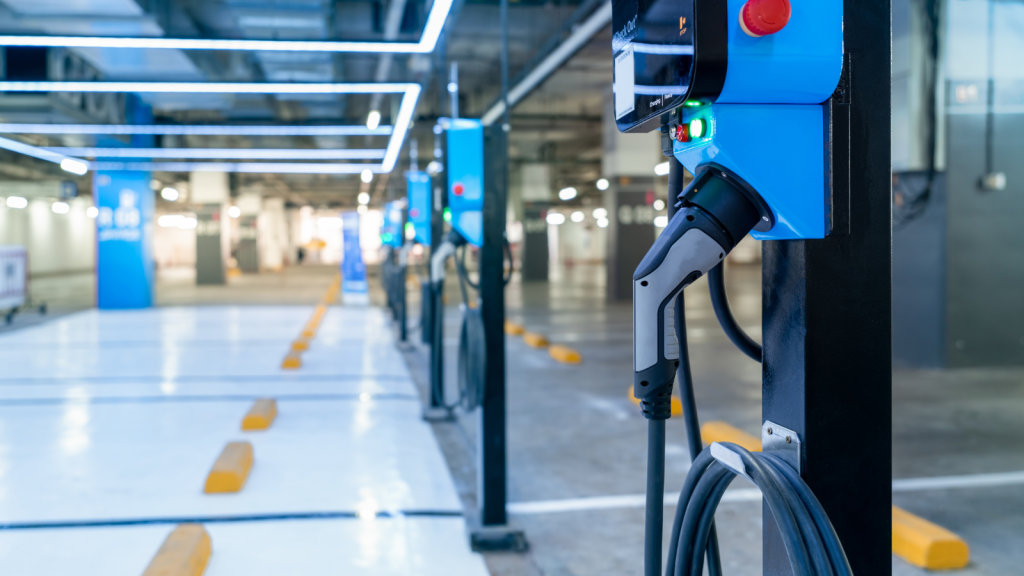
6. Forklift & EV charging
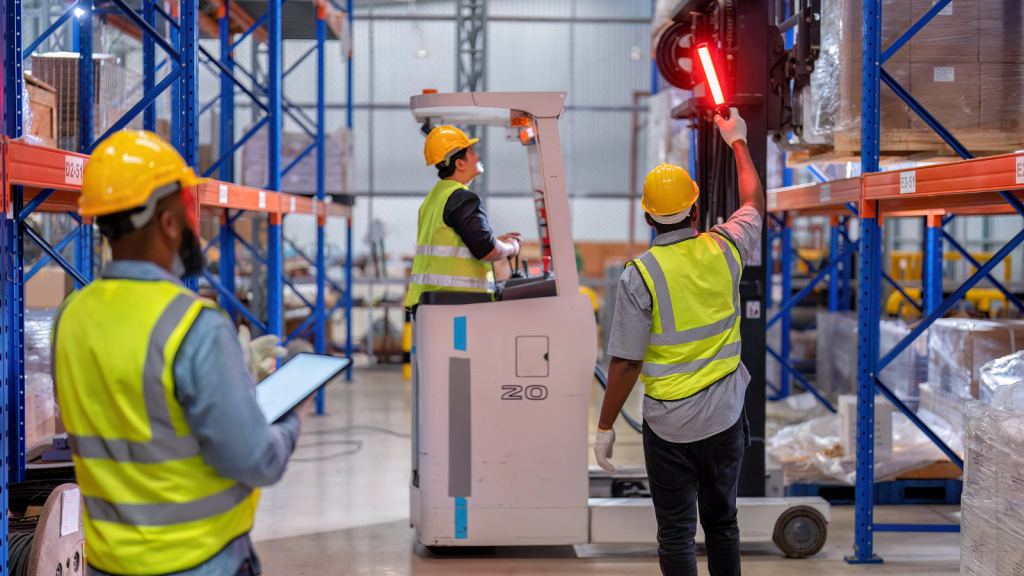
Electric forklifts, pallet trucks, warehouse vehicles and commercial fleets can place additional demand on the electrical infrastructure.
The available electrical capacity therefore needs to be considered when installing multiple charging points.
It’s also worth planning around future requirements rather than only the equipment currently in operation.
7. Data & network infrastructure
Modern warehouses rely heavily on connected systems such as Warehouse Management Systems (WMS), handheld scanners, automation, IoT devices and Wi-Fi.
An electrical fit-out may therefore be coordinated with:
🔹 CAT6 data cabling
🔹 Fibre optic cabling
🔹 Network cabinets and racks
🔹 Wireless access point cabling
🔹 Communications rooms
Planning power and data infrastructure together can reduce duplication and ensure the warehouse is ready for the technology it needs to support.

8. Working in a live warehouse
Electrical installations often need to take place while warehouses remain operational.
Work may need to be completed in phases, scheduled around shifts or coordinated to minimise downtime.
This can increase project complexity and potentially affect costs, particularly where access to certain areas or electrical shutdowns are restricted.
Careful planning can help keep disruption to a minimum.

How can you control warehouse electrical installation costs?
Good planning is one of the most effective ways to control costs.
Before work begins, consider:
🔹 Current and future power requirements
🔹 Planned machinery and automation
🔹 Warehouse expansion
🔹 Forklift and EV charging
🔹 Lighting efficiency
🔹 Data and connectivity requirements
Building sufficient capacity into the initial installation can be more economical than repeatedly modifying the infrastructure as the warehouse evolves.
Combining electrical, data and network works can also reduce the need to coordinate multiple contractors.
How much will your warehouse electrical cost?
There isn’t a one-size-fits-all price.
A small electrical upgrade and a complete fit-out of a large automated distribution centre have very different requirements.
An accurate quotation should therefore consider the existing infrastructure, equipment being installed, operational requirements and future plans.
Planning a warehouse electrical project?
DTE provides electrical installations for warehouses, distribution centres, fulfilment centres and logistics environments across the UK and Europe.
Our warehouse electrical installers can support:
🔹 Power distribution and three-phase power
🔹 LED lighting
🔹 Machinery and automation infrastructure
🔹 Forklift and EV charging
🔹 Data and fibre cabling
🔹 Warehouse Wi-Fi infrastructure
From individual upgrades to complete warehouse electrical fit-outs, DTE can design and install infrastructure around your current operations and future requirements.