
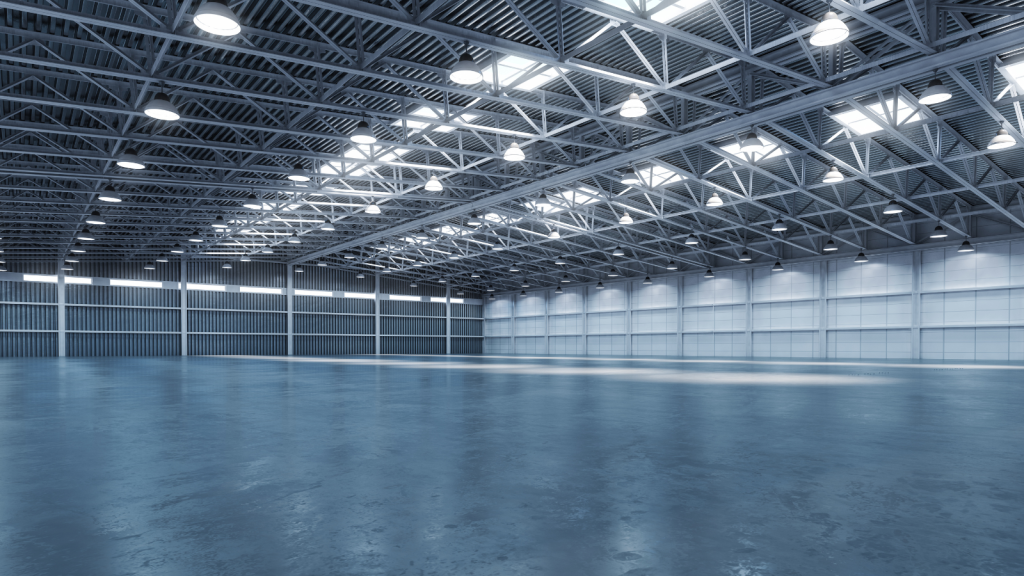
Planning the electrical infrastructure for a new warehouse involves much more than deciding where lights and power sockets should go.
Modern warehouses rely on machinery, automation, charging systems, IT equipment and wireless networks. Considering these requirements early can prevent expensive changes later and ensure your facility has the capacity to support future growth.
Here are the key areas to consider.
1. Calculate your power requirements
Start by understanding what will need power throughout the warehouse.
This could include:
🔹 Conveyors and machinery
🔹 Packing equipment
🔹 Automated systems
🔹 Forklift charging
🔹 IT and network equipment
🔹 Loading bays
🔹 Offices and welfare areas
🔹 Lighting
Consider both your current and future requirements. Providing additional electrical capacity during the initial installation can be considerably easier than upgrading infrastructure once the warehouse is operational.

2. Identify three-phase power requirements
Warehouses often contain equipment with higher power demands than conventional commercial buildings.
Three-phase supplies may be required for:
🔹 Conveyor systems
🔹 Compressors
🔹 Industrial machinery
🔹 Packing equipment
🔹 Loading equipment
🔹 Automated systems
🔹 Charging infrastructure
Knowing where this equipment will be located allows circuits, distribution and containment to be designed accordingly.

3. Plan power distribution
Once the overall electrical demand is understood, power needs to be distributed effectively throughout the facility.
The design may include:
🔹 Distribution boards
🔹 Dedicated circuits
🔹 Three-phase supplies
🔹 General power outlets
🔹 Local isolators
🔹 Cable containment
Equipment locations and warehouse layout should be established as early as possible to avoid unnecessary cabling or changes during installation.
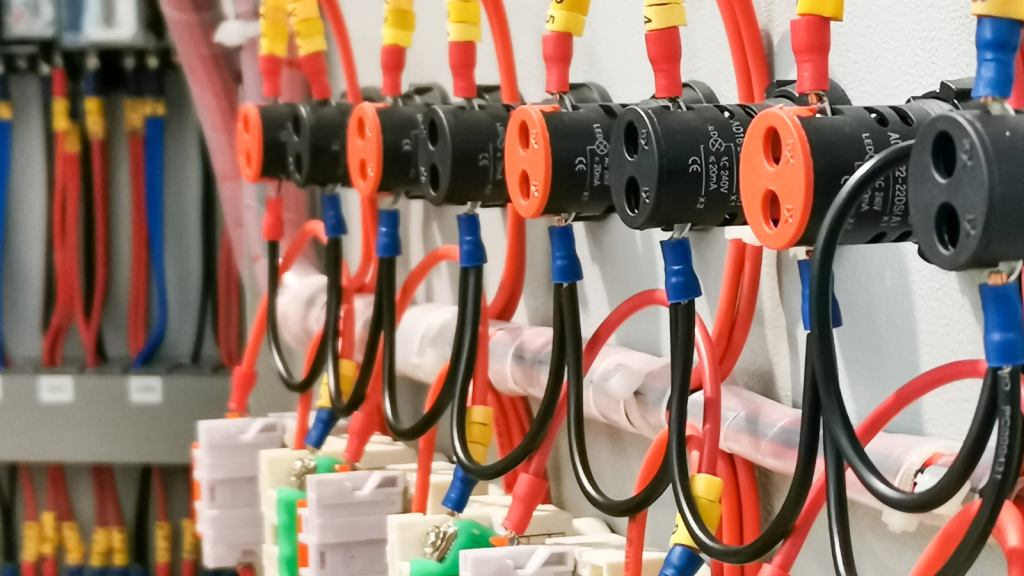
4. Design lighting around the warehouse
Warehouse lighting should be designed around the building layout rather than simply installing fittings evenly across the ceiling.
Racking height, aisle width, picking areas, loading bays and working environments can all affect lighting requirements.
Infrastructure may include:
🔹 High-bay LED lighting
🔹 Aisle lighting
🔹 Emergency lighting
🔹 Loading bay lighting
🔹 External lighting
🔹 Sensors and lighting controls
Energy-efficient LED lighting installation and intelligent controls can also help reduce ongoing operating costs.

5. Consider warehouse automation early
Automation can significantly change a warehouse’s electrical requirements.
Conveyors, sortation systems, robotics, Automated Guided Vehicles (AGVs) and Autonomous Mobile Robots (AMRs) may require additional power, charging and connectivity.
Planning for automation could involve:
🔹 Dedicated power supplies
🔹 Additional circuits
🔹 Charging stations
🔹 Data cabling
🔹 Network infrastructure
🔹 Wireless access points
Even if automation isn’t part of the initial deployment, considering its future requirements can help avoid substantial infrastructure changes later.
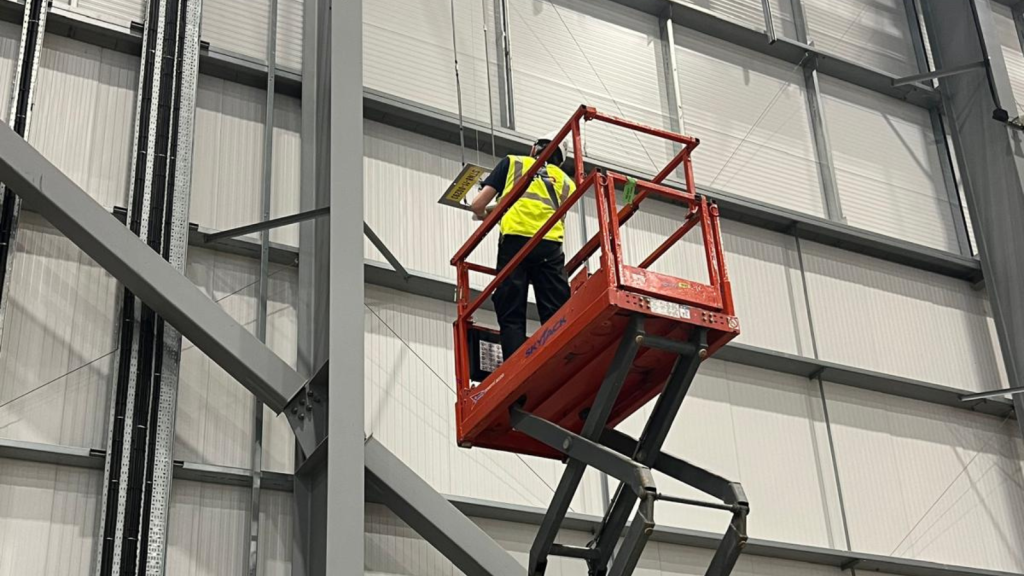
6. Plan forklift & vehicle charging
Electric forklifts, pallet trucks and commercial vehicles are placing increasing demands on warehouse electrical systems.
Consider how many vehicles need charging, where charging will take place and whether simultaneous charging could place significant demand on the electrical supply.
Planning additional capacity can also make it easier to expand an electric fleet in the future.

7. Coordinate electrical & data infrastructure
Modern warehouses depend on both power and connectivity.
Warehouse Management Systems (WMS), barcode scanners, IoT devices, automation and other connected equipment can require:
🔹 CAT6 data cabling
🔹 Fibre optic cabling
🔹 Network cabinets and racks
🔹 Communications rooms
🔹 Cabling for wireless access points
Planning electrical and data infrastructure together can reduce duplication and ensure both systems are ready when equipment is installed.

8. Plan for warehouse WiFi
Wi-Fi is now critical infrastructure in many warehouses.
Handheld scanners, tablets, Voice Picking systems, AMRs, AGVs and other connected devices may rely on continuous wireless connectivity.
Access point locations and associated cabling should therefore be considered during the infrastructure design rather than added as an afterthought.
A professional WiFi survey and network design can help determine where wireless infrastructure needs to be positioned.

9. Allow for future expansion
Your warehouse requirements are unlikely to remain unchanged.
New machinery, additional automation, increased charging requirements or changes to the warehouse layout can all increase electrical demand.
Where practical, consider:
🔹 Spare electrical capacity
🔹 Additional distribution capacity
🔹 Expandable containment
🔹 Future machinery locations
🔹 Additional charging requirements
🔹 Future network infrastructure
A small amount of additional planning during the initial project can make future changes considerably easier.