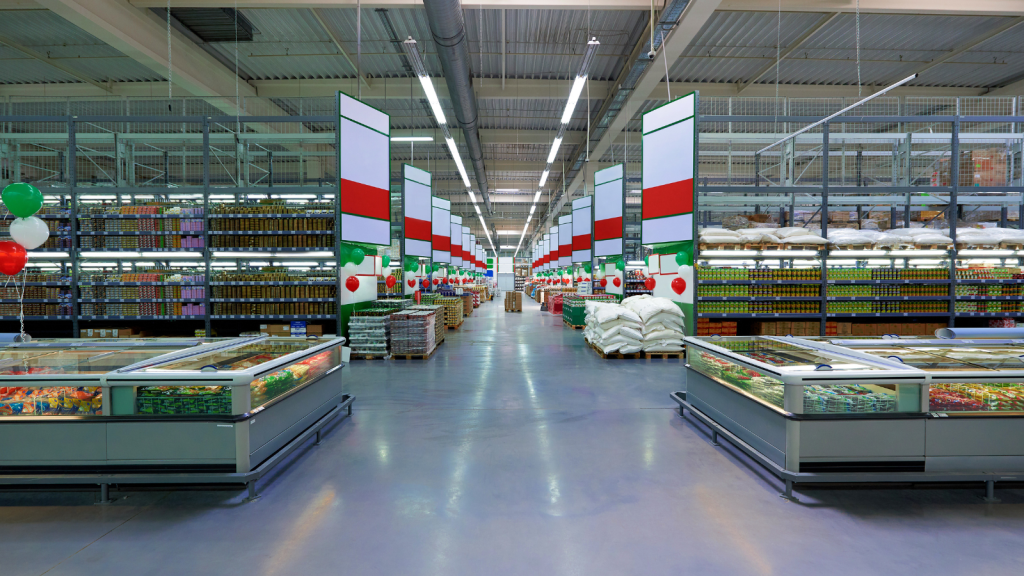
Retail environments are constantly evolving. Product displays are refreshed, shelving is reconfigured, seasonal promotions are introduced and new technologies are deployed to enhance the customer experience. While these changes are essential for driving sales, they can also have a significant impact on wireless network performance.
Modern retailers rely on Wi-Fi for far more than customer internet access. Payment terminals, handheld scanners, inventory systems, digital signage and guest connectivity all depend on a reliable wireless infrastructure. That’s why investing in professionally designed retail Wi-Fi is essential for maintaining consistent performance as your store evolves.
Many retailers assume that once a wireless network has been installed, it will continue to perform reliably regardless of changes within the store. In reality, even relatively small alterations to the physical environment can affect signal propagation, roaming performance and overall network capacity.
Understanding how store layouts influence wireless coverage is key to maintaining a network that supports both business-critical operations and an excellent customer experience.
Why coverage problems occur in retail stores
Unlike open-plan office environments, retail stores contain a variety of physical obstacles that can weaken, reflect or absorb wireless signals.
Common causes of poor retail Wi-Fi performance include:
🔹 Dense product shelving
🔹 Metal fixtures and fittings
🔹 Refrigeration units
🔹 Walls and partitions
🔹 Promotional displays
🔹 High numbers of connected devices
As stores change over time, the original wireless design may no longer provide the coverage or capacity required to support modern retail operations.

Metal shelving and display fixtures
Metal is one of the biggest challenges for wireless performance in retail environments.
Shelving systems, display stands, stock storage areas and promotional fixtures can reflect or absorb Wi-Fi signals, creating dead zones and inconsistent coverage throughout the store.
Common challenges include:
🔹 Signal shadowing behind shelving
🔹 Reduced coverage between aisles
🔹 Unreliable connectivity for handheld devices
🔹 Roaming issues as staff move throughout the store
These problems become even more noticeable in stores with tall shelving or densely packed product displays.
Rather than guessing where improvements are needed, a professional WiFi survey identifies coverage gaps, interference and roaming issues before they begin affecting staff productivity or customer experience.

Refrigeration units and signal interference
Retailers operating supermarkets, convenience stores and food outlets face additional wireless challenges due to refrigeration equipment.
Large refrigeration units contain significant amounts of metal and glass, both of which can disrupt wireless signals. Electrical equipment can also introduce interference that reduces network performance.
Potential issues include:
🔹 Weak coverage around chilled areas
🔹 Reduced connectivity behind refrigeration banks
🔹 Increased packet loss
🔹 Slower application performance
These challenges should be addressed during the Wi-Fi network design phase, ensuring access points are positioned to deliver reliable coverage despite physical obstacles.
Seasonal displays and changing layouts
Retail environments are rarely static.
Throughout the year, stores regularly introduce:
🔹 Seasonal displays
🔹 Promotional stands
🔹 Temporary stock locations
🔹 Point-of-sale displays
🔹 Event merchandising
Although these changes help drive sales, they also alter the way wireless signals travel throughout the store.
As a result, a network that previously performed well may begin to experience:
🔹 Coverage gaps
🔹 Reduced signal strength
🔹 Congested wireless channels
🔹 Device roaming issues
Regular reviews of network performance help ensure your wireless infrastructure continues to meet the demands of changing retail environments.

Multi-floor retail environments
Retail stores spread across multiple floors introduce additional design challenges.
Many organisations assume that access points installed on one floor will provide adequate coverage above or below. In reality, floor construction, building materials and store layout often prevent signals from travelling effectively between levels.
Potential issues include:
🔹 Coverage gaps between floors
🔹 Poor roaming performance
🔹 Reduced wireless capacity
🔹 Signal overlap causing interference
A professionally planned Wi-Fi network design ensures both horizontal and vertical coverage are considered before deployment. Once the design has been completed, expert Wi-Fi installation ensures access points are positioned exactly where they will deliver the best real-world performance.
Customer density can affect coverage too
Store layout is only part of the equation.
Large numbers of customers can also reduce wireless performance by absorbing Wi-Fi signals, particularly around entrances, promotional areas and checkout zones.
During busy trading periods this can lead to:
🔹 Slower network performance
🔹 Reduced signal quality
🔹 Increased congestion
🔹 Poorer connectivity for staff and customers
Retailers deploying mobile point-of-sale devices, handheld scanners or guest Wi-Fi should ensure sufficient capacity has been built into the network from the outset.

Why professional retail Wi-Fi design matters
One of the most common misconceptions is that reliable Wi-Fi is simply a matter of installing enough access points.
Effective wireless infrastructure requires careful planning based on:
🔹 Store layout
🔹 Building materials
🔹 Device density
🔹 Business applications
🔹 Customer traffic patterns
🔹 Future growth
A network may appear to provide excellent signal strength while still suffering from interference, poor roaming or insufficient capacity.
Professional retail Wi-Fi solutions combine predictive planning, real-world testing and ongoing optimisation to ensure your wireless network performs reliably in everyday retail conditions.
The importance of ongoing surveys
Retail environments continue to evolve long after a network has been installed.
New shelving, store refurbishments, additional wireless devices and changing customer behaviour can all influence network performance.
Regular WiFi surveys provide valuable insight into how your wireless infrastructure is performing in real-world conditions.
A survey can identify:
🔹 Coverage gaps
🔹 Sources of interference
🔹 Roaming problems
🔹 Capacity bottlenecks
🔹 Performance changes caused by store modifications
Combined with proactive Wi-Fi managed services, retailers can continually monitor and optimise their wireless infrastructure, helping prevent small issues from developing into operational problems.

Is your store Wi-Fi fit for purpose?
Your store layout has a direct impact on wireless performance. Metal shelving, refrigeration units, seasonal displays, customer density and multi-floor environments all influence how Wi-Fi signals behave.
As retail environments evolve, networks that once performed well can develop coverage gaps, interference and reduced reliability.
Rather than treating Wi-Fi as a one-off installation, retailers should view it as a critical business asset that requires ongoing optimisation.
Whether you’re opening a new store, refurbishing an existing location or experiencing connectivity issues, DTE provides comprehensive retail WiFi, including professional WiFi surveys, intelligent Wi-Fi network design, expert Wi-Fi installation and proactive Wi-Fi managed services. Together, these services ensure your wireless network continues to deliver secure, reliable connectivity for both staff and customers as your business grows.
Speak to a Specialist
Provide your details below, email [email protected] or call +44 (0) 845 658 8810.