
Warehouse operations rely heavily on wireless connectivity. From barcode scanners and handheld terminals to warehouse management systems and automation technologies, modern warehouses depend on reliable Wi-Fi to maintain productivity and operational efficiency.
The problem is that warehouse Wi-Fi issues rarely appear overnight.
In most cases, there are early warning signs that the wireless infrastructure is struggling to meet operational demands. Unfortunately, these symptoms are often dismissed as isolated device problems or temporary connectivity issues until they begin affecting productivity on a larger scale.
Recognising these warning signs early can help businesses avoid operational disruption and prevent minor wireless issues from becoming major bottlenecks.
Barcode scanners frequently lose connection
One of the first indicators that warehouse Wi-Fi may be underperforming is unreliable scanner connectivity.
Warehouse teams may begin reporting:
🔹 Scanner disconnects
🔹 Delayed inventory updates
🔹 Failed scans
🔹 Slow synchronisation
🔹 Reconnecting issues while moving
Because scanners are used constantly throughout warehouse operations, even small connectivity problems quickly become noticeable.
In many cases, these issues are caused by:
🔹 Poor roaming performance
🔹 Weak coverage
🔹 Wireless interference
🔹 Ageing infrastructure
Rather than being a scanner issue, the problem is often rooted in the wireless environment itself.

Employees know where the dead zones are
When warehouse staff start avoiding certain areas because they know the Wi-Fi is unreliable, it is usually a sign that the network requires attention.
Comments such as:
🔹 “The scanner never works in this aisle.”
🔹 “Signal always drops near dispatch.”
🔹 “That corner of the warehouse is a problem.”
are often indicators of underlying coverage issues.
Dead zones commonly develop because of:
🔹 Metal racking
🔹 Stock density
🔹 Poor access point placement
🔹 Warehouse layout changes
A properly designed warehouse wireless network should provide consistent coverage throughout operational areas.

Roaming problems become more common
Warehouse workers and devices are constantly moving between access points.
When roaming is not properly optimised, devices may:
🔹 Disconnect while moving
🔹 Reconnect slowly
🔹 Experience application delays
🔹 Lose communication with warehouse systems
These issues often become noticeable during busy operational periods when workers are moving rapidly throughout the facility.
Poor roaming performance is one of the most common indicators that warehouse Wi-Fi is no longer aligned with operational requirements.
A professional warehouse Wi-Fi solution should be designed specifically to support seamless mobility.
Wi-Fi performance drops during peak activity
Many warehouses only notice wireless problems when operations become busy.
Common symptoms include:
🔹 Slow scanner responses
🔹 Delayed transactions
🔹 Sluggish applications
🔹 Intermittent connectivity
🔹 Increased user complaints
This often indicates that the wireless infrastructure is struggling with:
🔹 Increased device density
🔹 Bandwidth demand
🔹 Airtime congestion
🔹 Capacity limitations
As warehouse operations become more connected, wireless infrastructure must be capable of supporting growing operational workloads.

Warehouse layout changes have outpaced the network
Warehouse environments constantly evolve.
Over time businesses often:
🔹 Add additional racking
🔹 Increase storage density
🔹Expand operational areas
🔹 Introduce new workflows
🔹 Add automation systems
Even a wireless network that originally performed well can become less effective if the physical environment changes significantly.
Many warehouses continue using infrastructure designed for a layout that no longer exists.
As a result, businesses begin experiencing:
🔹 Coverage gaps
🔹 Roaming issues
🔹 Inconsistent connectivity
🔹 Poor wireless performance
without realising the environment has simply outgrown the original design.
Wireless complaints are increasing
One of the simplest warning signs is a growing number of wireless-related complaints.
Examples include:
🔹 “Wi-Fi is slow today.”
🔹 “The scanner disconnected again.”
🔹 “The application keeps freezing.”
🔹 “I lost connection near the loading bay.”
Individual complaints may seem minor.
However, when similar issues are reported repeatedly across different teams and operational areas, they often indicate a broader wireless infrastructure problem.
Recurring complaints are usually a sign that the environment requires assessment rather than continual troubleshooting of individual devices.

New devices are being added faster than the network can handle
Modern warehouses support far more wireless devices than they did just a few years ago.
Many facilities now rely on:
🔹 Barcode scanners
🔹 Tablets
🔹 Mobile computers
🔹 Voice-picking devices
🔹 IoT sensors
🔹 AGVs
🔹 Warehouse automation systems
As device numbers increase, older wireless infrastructure can struggle to keep up.
This often results in:
🔹 Slower performance
🔹 Congestion
🔹 Unstable connectivity
🔹 Increased roaming issues
If operational growth is placing increasing demands on the wireless environment, it may be time to review the network’s suitability for future requirements.
Troubleshooting has become routine
A healthy wireless environment should not require constant attention.
If internal IT teams or warehouse managers regularly spend time dealing with:
🔹 Coverage issues
🔹 Scanner connectivity problems
🔹 Access point concerns
🔹 Roaming complaints
🔹 Intermittent performance issues
then the network may no longer be fit for purpose.
Frequent troubleshooting is often a symptom of deeper wireless design or infrastructure limitations rather than isolated faults.
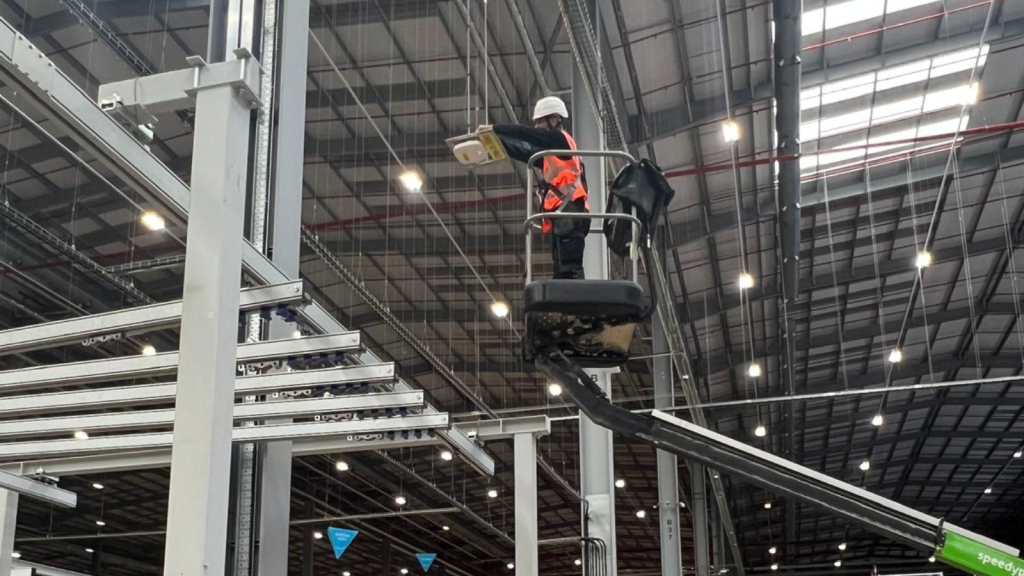
Automation projects are being planned
Many businesses only discover wireless limitations when preparing for automation initiatives.
Technologies such as:
🔹 AGVs
🔹 Autonomous mobile robots
🔹 Voice-directed workflows
🔹 Real-time tracking systems
🔹 Industrial IoT devices
all depend on reliable wireless connectivity.
If the existing network already struggles with current operational demands, it is unlikely to support additional automation successfully.
Before introducing new technologies, businesses should understand whether the wireless infrastructure is capable of supporting future requirements.
A professional Wi-Fi survey can help identify potential limitations before they affect project success.

The network is several years old
Wireless technology continues to evolve rapidly.
Many warehouse environments still rely on infrastructure that was deployed years ago and designed around very different operational requirements.
Older wireless environments may struggle with:
🔹 Modern roaming standards
🔹 High device density
🔹 Cloud applications
🔹 Real-time communications
🔹 Warehouse automation
While age alone does not mean infrastructure must be replaced, older networks often require review to ensure they remain aligned with current operational demands.
Don't wait for a complete failure
Warehouse Wi-Fi problems rarely begin with a complete outage.
Most environments provide warning signs long before productivity is significantly affected.
Identifying issues early allows businesses to:
🔹 Improve wireless reliability
🔹 Reduce operational disruption
🔹 Support future growth
🔹 Prepare for automation
🔹 Improve user experience
The earlier these issues are addressed, the easier and more cost-effective they are typically to resolve.
Improve warehouse wireless performance with DTE
DTE delivers professional warehouse Wi-Fi solutions designed to support reliable connectivity, operational mobility and long-term wireless performance.
From wireless surveys and RF analysis through to network design, installation and optimisation, we help businesses build warehouse wireless environments that support modern operational demands.
If your warehouse is experiencing growing connectivity issues, dead zones or scanner reliability problems, our team can help assess whether the wireless infrastructure is still fit for purpose.
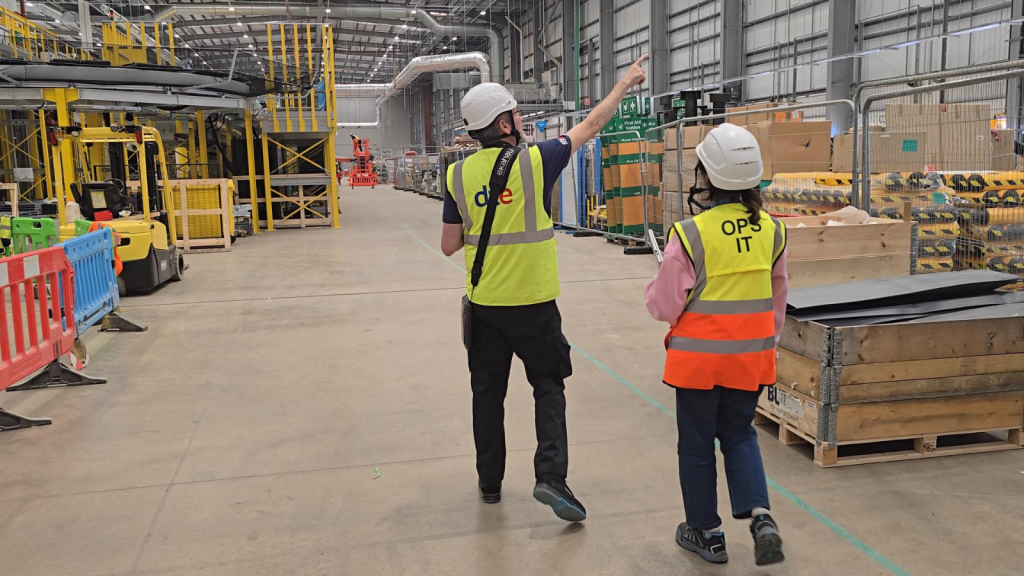
Speak to a Specialist
Provide your details below, email info@dteuro.com or call +44 (0) 845 658 8810.